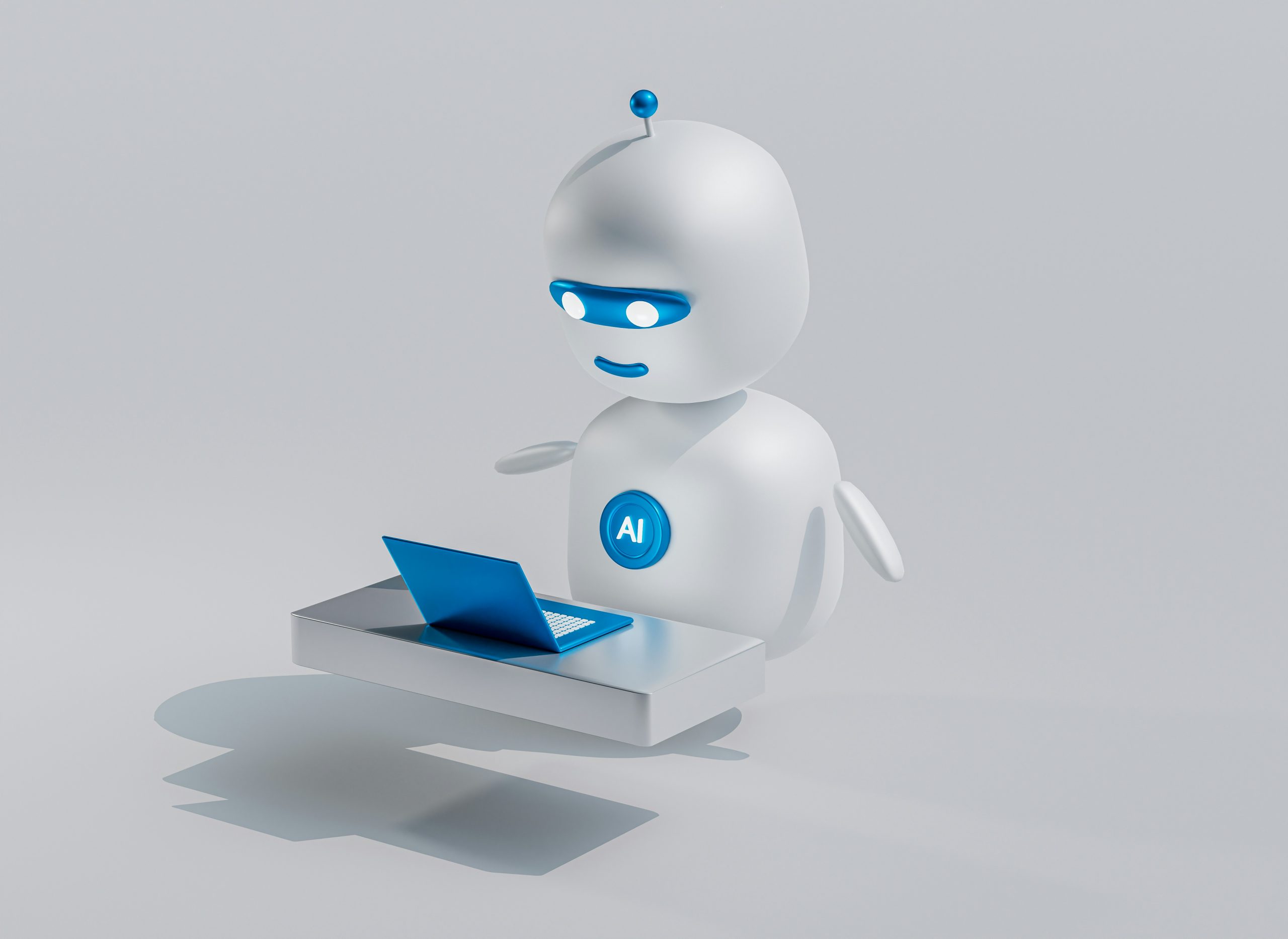
9senses über künstliche Intelligenz

Was ist KI?

Als die meisten von uns bei 9senses begannen, sich mit Technologien zu befassen, die heute unter dem Begriff Künstliche Intelligenz laufen, hat kaum jemand diesen Begriff verwendet. Wir sprachen damals unter anderem von nicht-linearer Programmierung, Fuzzy Logic, Heuristik und Machine Learning.

Heute glauben viele Menschen, dass Künstliche Intelligenz Computer so fähig macht wir Menschen. In Tat und Wahrheit ist Computer-Software nach wie vor meilenweit davon entfernt, im Ganzen die Fähigkeiten eines Menschen zu erlangen. In bestimmten Bereichen allerdings kann KI menschliche Fähigkeiten hervorragend simulieren und teilweise auch übertreffen. Dies ist vor allem dort der Fall, wo große Datenmengen involviert sind. Auf dieser Seite möchten wir ein wenig Klarheit dazu schaffen, was KI wirklich kann, auch wenn wir sie damit ein wenig entzaubern, so wie das Joseph Weitzenbaum, der berühmte Erfinder von Eliza getan hat:

"Mir war nicht bewusst, wie sehr eine kurze Exposition gegenüber einem recht einfachen Computerprogramm bei ganz normalen Menschen starke Wahnvorstellungen auslösen kann."

Joseph Weizenbaum (1923-2008), Entwickler von Eliza

Aber was ist künstliche Intelligenz denn nun wirklich? Wir haben zwei KI-Sprachmodelle nach ihrer Definition von KI gefragt und haben zwei sehr unterschiedliche Antworten erhalten. Lesen Sie hier, was KI über KI zu sagen hat.

Nachdem sich nicht einmal verschidene KI-Systeme darüber einig sind, was sie sind, haben wir keine Hemmungen mehr, unsere eigene Antwort zu geben. Wir bei 9senses definieren KI als "ein Computersystem, das in der Lage ist, auf ein vorher nie erlebtes Ereignis in einer diesem Ereignis angemessenen Art und Weise zu reagieren." Diese Fähigkeit unterscheidet KI deutlich von traditioneller Rechnerlogik, bei der jedes Ereignis (oder jede Kombination von Ereignissen) nur eine definierte Reaktion hat. Wir halten uns ausdrücklich davon fern, Computer mit Menschen zu vergleichen, weil diese selbst mit modernster KI noch Lichtjahre davon entfernt sind, unsere Fähigkeiten in Gänze zu erreichen.

Kerntechnologien

Es gibt viele Möglichkeiten, KI-Technologien darzustellen. Hier ist ein Versuch, sie in vier Schlüsseltechnologien zu untergliedern:

Machine Learning

Muster in großen Daten­mengen zu finden und daraus die richtigen Schlüsse zu ziehen sind Fähigkeiten, in denen Computer uns Menschen deutlich überlegen sind.

Bildver­arbeitung

Finding items and differen-ces in still or moving imagery is something that computers excel at, for example when it comes to surveillance, irre­gularity detection or simply - counting.

Natural Language Processing

Erst seit kurzem ist künstliche Intelligenz in der Lage, menschliche Sprache zu verstehen und zu sprechen. Dies macht Vieles möglich, gerade im Kundenkontakt.

Robotik

Ein Schlüsselfeld der KI ist die Entwicklung autonomer, ineinandergreifende Sys­teme, die zum Beispiel selbständig ein Fahrzeug lenken können. Hier sind die Fähigkeiten aber noch begrenzt.

Wenn Sie mehr über die Geschichte von Künstlicher Intelligenz und unsere eher philosophische Sicht darauf erfahren möchten, geht es unten weiter. Andernfalls erfahren Sie hier, wie wir Sie bei KI-Themen unterstützen können.

Mit KI-Systemen Interagieren

Natural Language Processing (NLP)

There is nothing more fascinating than being able to converse with computers in normal language - asking questions and receiving meaningful answers. Expected for more than half a century, the first time this was realistically possible was only a few years ago with the arrival of the first large language models.

When trying out ChatGPT or others, the results are indeed fascinating, and more and more companies are beginning to use these LLMs. As many companies also have already stopped using them in customer interactions or spend a lot of money fine-tuning them to avoid negative outcomes. 

NLP offers fascinating opportunities to improve interactions with customers, internally and in providing knowledge in an easily accessible way. Yet it is one of the riskiest AI technologies to work with currently, and its use needs careful planning and testing.

Below are a number of examples of how to use NLP in an organization.


Wie es funktioniert

A few paragraphs, maybe a few images or two, with:

  • Hardware
  • Comparison
  • Logic (ML/AI)
  • 1-2 examples
  • Limits and problems
[ba_image_carousel content_alignment="center" is_autoplay="off" slide_spacing="20px" nav_height="38px" nav_width="36px" nav_color="#000000" nav_bg="#FFFFFF" icon_left="||fa||900" icon_right="||fa||900" pagi_bg="rgba(145,145,145,0.77)" pagi_text_active="#FFFFFF" _builder_version="4.27.5" _module_preset="default" title_level="h1" title_font_size="25px" title_line_height="3em" hover_enabled="0" global_colors_info="{}" theme_builder_area="post_content" sticky_enabled="0" slide_count="2"][ba_image_carousel_child photo="https://www.9senses.ai/wp-content/uploads/2025/02/michael-walter-iJMitgqRaZ8-unsplash-scaled.jpg" title="Understanding Customer Needs" sub_title="Understanding what your customer expresses in writing or on the phone is something AI can help with. Properly set up AI can deliver high quality intent recognition, reducing wait times and providing the ability to steer a customer towards a solution before a human has to engage. " use_button="on" button_text="Read more" image_height="305px" image_hover_animation="zoom-in" _builder_version="4.27.5" title_level="h1" title_font="|700|||||||" subtitle_level="h6" subtitle_font="--et_global_body_font||||||||" subtitle_font_size="16px" subtitle_letter_spacing="0px" subtitle_line_height="1.8em" custom_button="on" button_bg_color="RGBA(255,255,255,0)" button_border_color="RGBA(255,255,255,0)" button_use_icon="on" button_icon="5||divi||400" button_on_hover="on" hover_enabled="0" custom_css_sub_title="text-align:justify" custom_css_button=" display: inline-block;|| margin: 0 auto !important;|| text-align: center;" global_colors_info="{}" custom_css_button__hover_enabled="off|desktop" theme_builder_area="post_content" sticky_enabled="0"][/ba_image_carousel_child][ba_image_carousel_child photo="https://www.9senses.ai/wp-content/uploads/2025/02/alice-butenko-zstWUZFj77w-unsplash-scaled.jpg" title="Finding Irregularities" sub_title="Finding patterns in still and moving images, and detecting even the smallest changes is something AI solutions do much bettter than the human eye, which is trained on filtering out unimportant things. No matter if it concerns identifing irregularities in assembly lines or finding trespassers where no humans should be, AI does a great job here." use_button="on" button_text="Read more" image_height="305px" image_hover_animation="zoom-in" _builder_version="4.27.5" title_level="h1" title_font="|700|||||||" subtitle_level="h6" subtitle_font="--et_global_body_font||||||||" subtitle_font_size="16px" subtitle_letter_spacing="0px" subtitle_line_height="1.8em" custom_button="on" button_bg_color="RGBA(255,255,255,0)" button_border_color="RGBA(255,255,255,0)" button_use_icon="on" button_icon="5||divi||400" button_on_hover="on" button_custom_margin="||||false|false" button_custom_padding="||||false|false" custom_css_sub_title="text-align:justify" custom_css_button=" display: inline-block;|| margin: 0 auto !important;|| text-align: center;" global_colors_info="{}" theme_builder_area="post_content"][/ba_image_carousel_child][/ba_image_carousel]

All these use cases have two things in common. If implemented well, they can provide profoundly improved experiences. But if not properly trained and managed, LLM-driven solutions can become serious problems. At 9senses, we can help you find the right use cases, because we don't only know what LLMs can do, we also know their limitations and how to fine-tune them.

continuous improvement

Machine Learning

As formidably as the human eye collaborates with our brain and our muscles, today's AI tools can do a great job in processing visual information, particularly when it comes to recognizing certain patterns and spotting small differences that we have a hard time to even notice. The biggest advantages are that computers can't get tired and don't have problems working in environments where humans are unsafe or uncomfortable.

Below, we explain a few key applications of artificial intelligence in the processing of visual data, for example the use of optical character recognition (OCR) together with natural language processing (NLP), the tracking of movements, or the recognition of patterns to determine crowd sizes or identify certain items.

Wie es funktioniert

A few paragraphs, maybe a few images or two, with:

  • Hardware
  • Comparison
  • Logic (ML/AI)
  • 1-2 examples
  • Limits and problems
[ba_image_carousel content_alignment="center" is_autoplay="off" slide_spacing="20px" nav_height="38px" nav_width="36px" nav_color="#000000" nav_bg="#FFFFFF" icon_left="||fa||900" icon_right="||fa||900" pagi_bg="rgba(145,145,145,0.77)" pagi_text_active="#FFFFFF" _builder_version="4.27.5" _module_preset="default" title_level="h1" title_font_size="25px" title_line_height="3em" hover_enabled="0" global_colors_info="{}" theme_builder_area="post_content" sticky_enabled="0"][ba_image_carousel_child photo="https://www.9senses.ai/wp-content/uploads/2025/02/michael-walter-iJMitgqRaZ8-unsplash-scaled.jpg" title="Reading Documents" sub_title="Optical Character Recognition (OCR) has been around for a while, but it only becomes really powerful when combined with Artificial Intelligence. This enables understanding almost any document in your business context, filling data tables accurately, and taking decisions about how to handle the input." use_button="on" button_text="Read more" image_height="305px" image_hover_animation="zoom-in" _builder_version="4.27.5" title_level="h1" title_font="|700|||||||" subtitle_level="h6" subtitle_font="--et_global_body_font||||||||" subtitle_font_size="16px" subtitle_letter_spacing="0px" subtitle_line_height="1.8em" custom_button="on" button_bg_color="RGBA(255,255,255,0)" button_border_color="RGBA(255,255,255,0)" button_use_icon="on" button_icon="5||divi||400" button_on_hover="on" custom_css_sub_title="text-align:justify" custom_css_button=" display: inline-block;|| margin: 0 auto !important;|| text-align: center;" global_colors_info="{}" custom_css_button__hover_enabled="off|desktop" theme_builder_area="post_content"][/ba_image_carousel_child][ba_image_carousel_child photo="https://www.9senses.ai/wp-content/uploads/2025/02/alice-butenko-zstWUZFj77w-unsplash-scaled.jpg" title="Finding Irregularities" sub_title="Finding patterns in still and moving images, and detecting even the smallest changes is something AI solutions do much bettter than the human eye, which is trained on filtering out unimportant things. No matter if it concerns identifing irregularities in assembly lines or finding trespassers where no humans should be, AI does a great job here." use_button="on" button_text="Read more" image_height="305px" image_hover_animation="zoom-in" _builder_version="4.27.5" title_level="h1" title_font="|700|||||||" subtitle_level="h6" subtitle_font="--et_global_body_font||||||||" subtitle_font_size="16px" subtitle_letter_spacing="0px" subtitle_line_height="1.8em" custom_button="on" button_bg_color="RGBA(255,255,255,0)" button_border_color="RGBA(255,255,255,0)" button_use_icon="on" button_icon="5||divi||400" button_on_hover="on" button_custom_margin="||||false|false" button_custom_padding="||||false|false" custom_css_sub_title="text-align:justify" custom_css_button=" display: inline-block;|| margin: 0 auto !important;|| text-align: center;" global_colors_info="{}" theme_builder_area="post_content"][/ba_image_carousel_child][ba_image_carousel_child photo="https://www.9senses.ai/wp-content/uploads/2025/02/rob-curran-sUXXO3xPBYo-unsplash-scaled.jpg" title="Counting and Sorting" sub_title="How many people are in this crowd? Is an item that comes from the assembly line complete? How much water is flowing in this river? These are questions that can be answered easily by well-trained AI solutions. They often can replace complicated and expensive sensing technologies or hours and hours of human labor." use_button="on" button_text="Read more" image_height="305px" image_hover_animation="zoom-in" _builder_version="4.27.5" title_level="h1" title_font="|700|||||||" subtitle_level="h6" subtitle_font="--et_global_body_font||||||||" subtitle_font_size="16px" subtitle_letter_spacing="0px" subtitle_line_height="1.8em" custom_button="on" button_bg_color="RGBA(255,255,255,0)" button_border_color="RGBA(255,255,255,0)" button_use_icon="on" button_icon="5||divi||400" button_on_hover="on" button_custom_margin="||||false|false" button_custom_padding="||||false|false" custom_css_sub_title="text-align:justify" custom_css_button=" display: inline-block;|| margin: 0 auto !important;|| text-align: center;" global_colors_info="{}" theme_builder_area="post_content"][/ba_image_carousel_child][ba_image_carousel_child photo="https://www.9senses.ai/wp-content/uploads/2025/02/mae-mu-vbAEHCrvXZ0-unsplash-scaled.jpg" title="Item Recognition" sub_title="Tracking and interpreting even the smallest motion is something we can do with AI today. Not only under normal circumstances, but also at night and following events happening at high speed. This enables us to find out what is happening, identify irregularities in assembly lines or trespassers on a site, hardly any problem is unsolvable." use_button="on" button_text="Read more" image_height="305px" image_hover_animation="zoom-in" _builder_version="4.27.5" title_level="h1" title_font="|700|||||||" subtitle_level="h6" subtitle_font="--et_global_body_font||||||||" subtitle_font_size="16px" subtitle_letter_spacing="0px" subtitle_line_height="1.8em" custom_button="on" button_bg_color="RGBA(255,255,255,0)" button_border_color="RGBA(255,255,255,0)" button_use_icon="on" button_icon="5||divi||400" button_on_hover="on" button_custom_margin="||||false|false" button_custom_padding="||||false|false" custom_css_sub_title="text-align:justify" custom_css_button=" display: inline-block;|| margin: 0 auto !important;|| text-align: center;" global_colors_info="{}" theme_builder_area="post_content"][/ba_image_carousel_child][ba_image_carousel_child photo="https://www.9senses.ai/wp-content/uploads/2025/03/basketball-scaled.png" title="Tracking Motion" sub_title="Tracking and interpreting even the smallest motion is something we can do with AI today. Not only under normal circumstances, but also at night and following events happening at high speed. This enables us to find out what is happening, identify irregularities in assembly lines or trespassers on a site, hardly any problem is unsolvable." use_button="on" button_text="Read more" image_height="305px" image_hover_animation="zoom-in" _builder_version="4.27.5" title_level="h1" title_font="|700|||||||" subtitle_level="h6" subtitle_font="--et_global_body_font||||||||" subtitle_font_size="16px" subtitle_letter_spacing="0px" subtitle_line_height="1.8em" custom_button="on" button_bg_color="RGBA(255,255,255,0)" button_border_color="RGBA(255,255,255,0)" button_use_icon="on" button_icon="5||divi||400" button_on_hover="on" button_custom_margin="||||false|false" button_custom_padding="||||false|false" custom_css_sub_title="text-align:justify" custom_css_button=" display: inline-block;|| margin: 0 auto !important;|| text-align: center;" global_colors_info="{}" theme_builder_area="post_content"][/ba_image_carousel_child][/ba_image_carousel]

Dinge sehen und erkennen

Bildver­arbeitung

As formidably as the human eye collaborates with our brain and our muscles, today's AI tools can do a great job in processing visual information, particularly when it comes to recognizing certain patterns and spotting small differences that we have a hard time to even notice. The biggest advantages are that computers can't get tired and don't have problems working in environments where humans are unsafe or uncomfortable.

Below, we explain a few key applications of artificial intelligence in the processing of visual data, for example the use of optical character recognition (OCR) together with natural language processing (NLP), the tracking of movements, or the recognition of patterns to determine crowd sizes or identify certain items.

Wie es funktioniert

A few paragraphs, maybe a few images or two, with:

  • Hardware
  • Comparison
  • Logic (ML/AI)
  • 1-2 examples
  • Limits and problems
[ba_image_carousel content_alignment="center" is_autoplay="off" slide_spacing="20px" nav_height="38px" nav_width="36px" nav_color="#000000" nav_bg="#FFFFFF" icon_left="||fa||900" icon_right="||fa||900" pagi_bg="rgba(145,145,145,0.77)" pagi_text_active="#FFFFFF" _builder_version="4.27.5" _module_preset="default" title_level="h1" title_font_size="25px" title_line_height="3em" hover_enabled="0" global_colors_info="{}" sticky_enabled="0"][ba_image_carousel_child photo="https://www.9senses.ai/wp-content/uploads/2025/02/michael-walter-iJMitgqRaZ8-unsplash-scaled.jpg" title="Reading Documents" sub_title="Optical Character Recognition (OCR) has been around for a while, but it only becomes really powerful when combined with Artificial Intelligence. This enables understanding almost any document in your business context, filling data tables accurately, and taking decisions about how to handle the input." use_button="on" button_text="Read more" image_height="305px" image_hover_animation="zoom-in" _builder_version="4.27.5" title_level="h1" title_font="|700|||||||" subtitle_level="h6" subtitle_font="--et_global_body_font||||||||" subtitle_font_size="16px" subtitle_letter_spacing="0px" subtitle_line_height="1.8em" custom_button="on" button_bg_color="RGBA(255,255,255,0)" button_border_color="RGBA(255,255,255,0)" button_use_icon="on" button_icon="5||divi||400" button_on_hover="on" custom_css_sub_title="text-align:justify" custom_css_button=" display: inline-block;|| margin: 0 auto !important;|| text-align: center;" global_colors_info="{}" custom_css_button__hover_enabled="off|desktop"][/ba_image_carousel_child][ba_image_carousel_child photo="https://www.9senses.ai/wp-content/uploads/2025/02/alice-butenko-zstWUZFj77w-unsplash-scaled.jpg" title="Finding Irregularities" sub_title="Finding patterns in still and moving images, and detecting even the smallest changes is something AI solutions do much bettter than the human eye, which is trained on filtering out unimportant things. No matter if it concerns identifing irregularities in assembly lines or finding trespassers where no humans should be, AI does a great job here." use_button="on" button_text="Read more" image_height="305px" image_hover_animation="zoom-in" _builder_version="4.27.5" title_level="h1" title_font="|700|||||||" subtitle_level="h6" subtitle_font="--et_global_body_font||||||||" subtitle_font_size="16px" subtitle_letter_spacing="0px" subtitle_line_height="1.8em" custom_button="on" button_bg_color="RGBA(255,255,255,0)" button_border_color="RGBA(255,255,255,0)" button_use_icon="on" button_icon="5||divi||400" button_on_hover="on" button_custom_margin="||||false|false" button_custom_padding="||||false|false" custom_css_sub_title="text-align:justify" custom_css_button=" display: inline-block;|| margin: 0 auto !important;|| text-align: center;" global_colors_info="{}"][/ba_image_carousel_child][ba_image_carousel_child photo="https://www.9senses.ai/wp-content/uploads/2025/02/rob-curran-sUXXO3xPBYo-unsplash-scaled.jpg" title="Counting and Sorting" sub_title="How many people are in this crowd? Is an item that comes from the assembly line complete? How much water is flowing in this river? These are questions that can be answered easily by well-trained AI solutions. They often can replace complicated and expensive sensing technologies or hours and hours of human labor." use_button="on" button_text="Read more" image_height="305px" image_hover_animation="zoom-in" _builder_version="4.27.5" title_level="h1" title_font="|700|||||||" subtitle_level="h6" subtitle_font="--et_global_body_font||||||||" subtitle_font_size="16px" subtitle_letter_spacing="0px" subtitle_line_height="1.8em" custom_button="on" button_bg_color="RGBA(255,255,255,0)" button_border_color="RGBA(255,255,255,0)" button_use_icon="on" button_icon="5||divi||400" button_on_hover="on" button_custom_margin="||||false|false" button_custom_padding="||||false|false" custom_css_sub_title="text-align:justify" custom_css_button=" display: inline-block;|| margin: 0 auto !important;|| text-align: center;" global_colors_info="{}"][/ba_image_carousel_child][ba_image_carousel_child photo="https://www.9senses.ai/wp-content/uploads/2025/02/mae-mu-vbAEHCrvXZ0-unsplash-scaled.jpg" title="Item Recognition" sub_title="Tracking and interpreting even the smallest motion is something we can do with AI today. Not only under normal circumstances, but also at night and following events happening at high speed. This enables us to find out what is happening, identify irregularities in assembly lines or trespassers on a site, hardly any problem is unsolvable." use_button="on" button_text="Read more" image_height="305px" image_hover_animation="zoom-in" _builder_version="4.27.5" title_level="h1" title_font="|700|||||||" subtitle_level="h6" subtitle_font="--et_global_body_font||||||||" subtitle_font_size="16px" subtitle_letter_spacing="0px" subtitle_line_height="1.8em" custom_button="on" button_bg_color="RGBA(255,255,255,0)" button_border_color="RGBA(255,255,255,0)" button_use_icon="on" button_icon="5||divi||400" button_on_hover="on" button_custom_margin="||||false|false" button_custom_padding="||||false|false" custom_css_sub_title="text-align:justify" custom_css_button=" display: inline-block;|| margin: 0 auto !important;|| text-align: center;" global_colors_info="{}"][/ba_image_carousel_child][ba_image_carousel_child photo="https://www.9senses.ai/wp-content/uploads/2025/03/basketball-scaled.png" title="Tracking Motion" sub_title="Tracking and interpreting even the smallest motion is something we can do with AI today. Not only under normal circumstances, but also at night and following events happening at high speed. This enables us to find out what is happening, identify irregularities in assembly lines or trespassers on a site, hardly any problem is unsolvable." use_button="on" button_text="Read more" image_height="305px" image_hover_animation="zoom-in" _builder_version="4.27.5" title_level="h1" title_font="|700|||||||" subtitle_level="h6" subtitle_font="--et_global_body_font||||||||" subtitle_font_size="16px" subtitle_letter_spacing="0px" subtitle_line_height="1.8em" custom_button="on" button_bg_color="RGBA(255,255,255,0)" button_border_color="RGBA(255,255,255,0)" button_use_icon="on" button_icon="5||divi||400" button_on_hover="on" button_custom_margin="||||false|false" button_custom_padding="||||false|false" custom_css_sub_title="text-align:justify" custom_css_button=" display: inline-block;|| margin: 0 auto !important;|| text-align: center;" global_colors_info="{}"][/ba_image_carousel_child][/ba_image_carousel]

In Bewegung kommen

Robotik

Ein Schlüsselfeld der KI ist die Entwicklung autonomer Sys­teme, die zum Beispiel selbständig ein Auto ohne Hilfe lenken können. Hier sind die Fähigkeiten aber noch begrenzt.

Wie es funktioniert

Your content goes here. Edit or remove this text inline or in the module Content settings. You can also style every aspect of this content in the module Design settings and even apply custom CSS to this text in the module Advanced settings.

[ba_image_carousel content_alignment="center" is_autoplay="off" slide_spacing="20px" nav_height="38px" nav_width="36px" nav_color="#000000" nav_bg="#FFFFFF" icon_left="||fa||900" icon_right="||fa||900" pagi_bg="rgba(145,145,145,0.77)" pagi_text_active="#FFFFFF" _builder_version="4.27.5" _module_preset="default" title_level="h1" title_font_size="25px" title_line_height="3em" hover_enabled="0" global_colors_info="{}" theme_builder_area="post_content" sticky_enabled="0"][ba_image_carousel_child photo="https://www.9senses.ai/wp-content/uploads/2025/02/michael-walter-iJMitgqRaZ8-unsplash-scaled.jpg" title="Example" sub_title="Example" use_button="on" button_text="Read more" image_height="305px" image_hover_animation="zoom-in" _builder_version="4.27.5" title_level="h1" title_font="|700|||||||" subtitle_level="h6" subtitle_font="--et_global_body_font||||||||" subtitle_font_size="16px" subtitle_letter_spacing="0px" subtitle_line_height="1.8em" custom_button="on" button_bg_color="RGBA(255,255,255,0)" button_border_color="RGBA(255,255,255,0)" button_use_icon="on" button_icon="5||divi||400" button_on_hover="on" hover_enabled="0" custom_css_sub_title="text-align:justify" custom_css_button=" display: inline-block;|| margin: 0 auto !important;|| text-align: center;" global_colors_info="{}" custom_css_button__hover_enabled="off|desktop" theme_builder_area="post_content" sticky_enabled="0"][/ba_image_carousel_child][ba_image_carousel_child photo="https://www.9senses.ai/wp-content/uploads/2025/02/alice-butenko-zstWUZFj77w-unsplash-scaled.jpg" title="Example" sub_title="Example" use_button="on" button_text="Read more" image_height="305px" image_hover_animation="zoom-in" _builder_version="4.27.5" title_level="h1" title_font="|700|||||||" subtitle_level="h6" subtitle_font="--et_global_body_font||||||||" subtitle_font_size="16px" subtitle_letter_spacing="0px" subtitle_line_height="1.8em" custom_button="on" button_bg_color="RGBA(255,255,255,0)" button_border_color="RGBA(255,255,255,0)" button_use_icon="on" button_icon="5||divi||400" button_on_hover="on" button_custom_margin="||||false|false" button_custom_padding="||||false|false" hover_enabled="0" custom_css_sub_title="text-align:justify" custom_css_button=" display: inline-block;|| margin: 0 auto !important;|| text-align: center;" global_colors_info="{}" theme_builder_area="post_content" sticky_enabled="0"][/ba_image_carousel_child][ba_image_carousel_child photo="https://www.9senses.ai/wp-content/uploads/2025/02/rob-curran-sUXXO3xPBYo-unsplash-scaled.jpg" title="Example" sub_title="Example" use_button="on" button_text="Read more" image_height="305px" image_hover_animation="zoom-in" _builder_version="4.27.5" title_level="h1" title_font="|700|||||||" subtitle_level="h6" subtitle_font="--et_global_body_font||||||||" subtitle_font_size="16px" subtitle_letter_spacing="0px" subtitle_line_height="1.8em" custom_button="on" button_bg_color="RGBA(255,255,255,0)" button_border_color="RGBA(255,255,255,0)" button_use_icon="on" button_icon="5||divi||400" button_on_hover="on" button_custom_margin="||||false|false" button_custom_padding="||||false|false" hover_enabled="0" custom_css_sub_title="text-align:justify" custom_css_button=" display: inline-block;|| margin: 0 auto !important;|| text-align: center;" global_colors_info="{}" theme_builder_area="post_content" sticky_enabled="0"][/ba_image_carousel_child][/ba_image_carousel]

Die Geschichte Künstlicher Intelligenz

1816: Fiktion

1

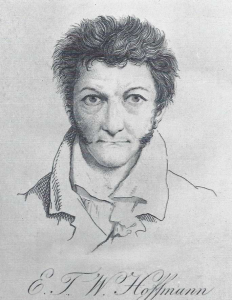
Die Idee intelligent handelnder "Automaten" ist viel älter als der Computer selbst. E.T.A. Hoffmann zum Beispiel beschrieb in seiner Kurzgeschichte "Der Sandmann" schon im Jahr 1816 ein schönes Mädchen namens Olimpia, die wunderbar tanzen und singen, aber nur wenige Worte sprechen konnte. Sie ist tatsächlich ein vom Physikprofessor Spalanzani entwickelter Automat gewesen.
Die 40er: Der Turing-Test

 

Enigma, the famous German

Mit den ersten Computern in den 1940er Jahren kam auch schnell die Idee auf, diese könnten schon bald so intelligent sein wie der Mensch. Im Jahr 1949 entwickelte der britische Mathematiker Alan Turing einen Test, um die Fähigkeit eines Computers auf menschliche Dialogfähigkeiten zu testen. Es dauerte danach noch 65 Jahre, bis ein KI-System seinen Test erstmals knapp bestand.

2

1966: Eliza

3

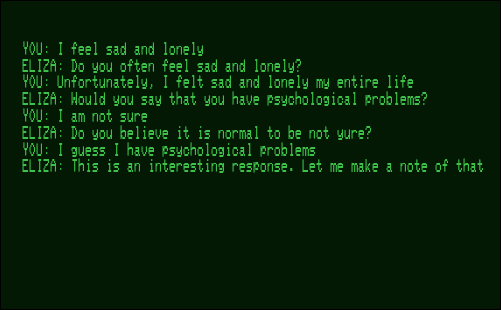
Als der Psychologe Joseph Weizenbaum im Jahr 1966 sein Chatprogramm "Eliza" entwickelte, verstand er das als spielerischen Versuch, den Dialog mit einem Psychologen in natürlicher Sprache zu simulieren. Obschon das Programm sehr simpel war, hatten viele Leute dennoch den Eindruck von ausgesprochen einzigartiger Intelligenz und sahen dies als Vorboten an, schon bald normal mit Computern sprechen zu können.
Die 80er: Machine Learning
 

Image by Markus Spiske on unsplash.com

Mit zunehmender Rechenleistung und Speicherkapazität, die große Datenmengen handhaben konnten, wurde Machine Learning realistisch. Damit war es möglich, durch Algorithmen Muster in riesigen Datenmengen zu finden, sie mit bestimmten Ereignissen zu verknüpfen - und daraus Handlungsempfehlungen zu generieren.

4

Die 90er: Schach spielen (und gewinnen)

5

Im Jahr 1997 gewann IBMs Supercomputer Deep Blue erstmals ein ganzes Match gegen den amtierenden Schachweltmeister Garry Kasparov. Hauptsächlich befeuert durch die riesige Rechenleistung, die mehr als 200 Millionen Positionen pro Sekunde prüfen konnte, nutzte das Programm auch KI-nahe Machine Learning-Algorithmen (Heuristik und Minimax Optimierungen).

Die 2000er: Sehen und Wissen
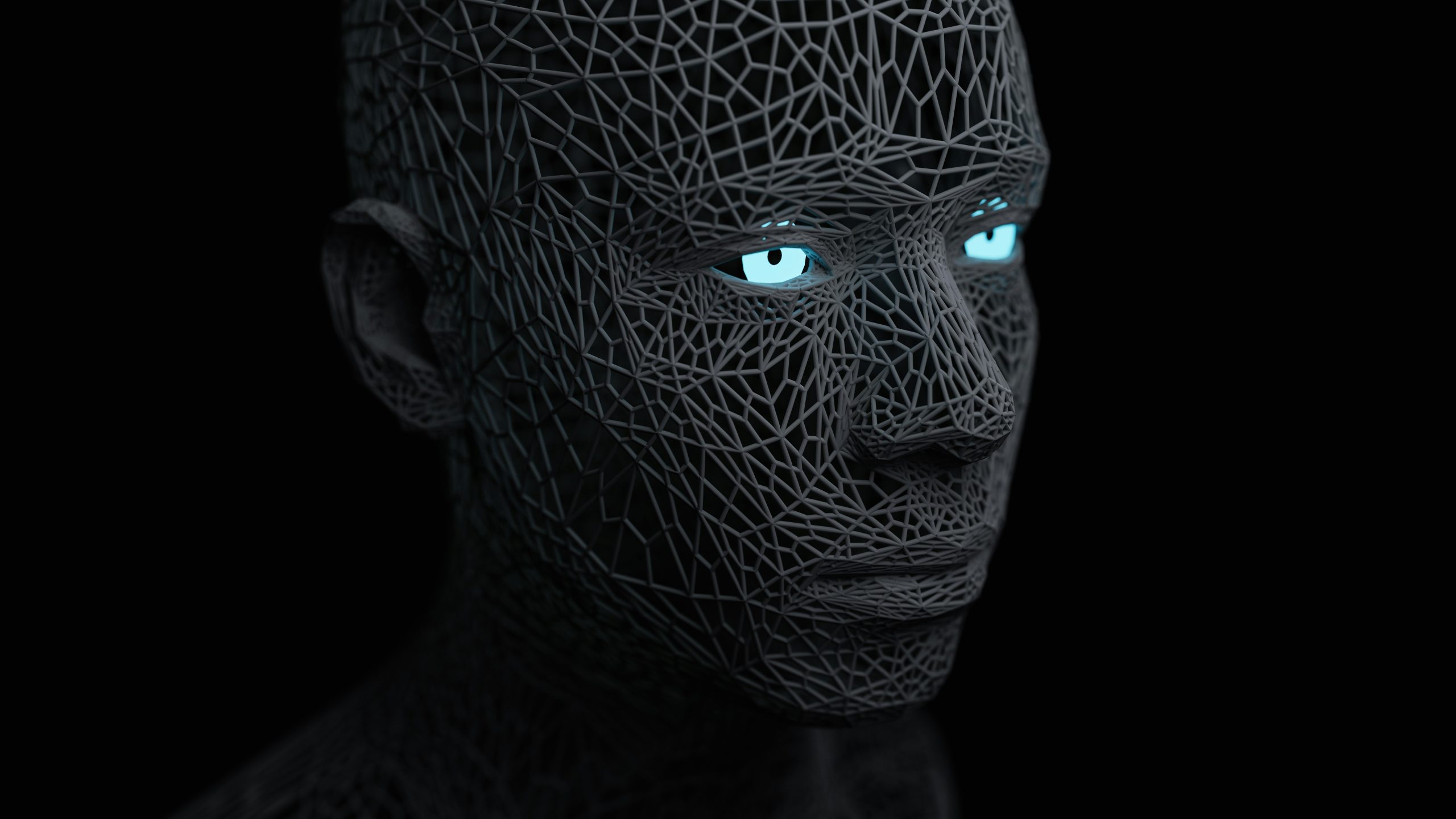
 

Image by a chosen soul on unsplash.com

Nachdem optische Zeichenerkennung (OCR) schon länger funktionierte, waren Computer nun plötzlich in der Lage, zu "sehen". Die ersten Gesichts- und Objekterkennungsprogramme tauchten auf. Heute sind KI-Systeme problemlos in der Lage, Objekte und Personen zu erkennen und Bewegungen zu erfassen. 

6

Die 2010er: Komplexe Probleme lösen

7

Nachdem es seit den 1970ern um KI eher still geworden war, führten in den 2000ern alle Anstrengungen, Computer "intelligent" zu machen, zu einer Kulmination von neuen Fähigkeiten, die den Begriff "Künstliche Intelligenz" wieder ins Rampenlicht beförderten. Inzwischen waren auch normale Desk- und Laptops leistungsfähig genug, um KI-Aufgaben zu bewältigen.

Images by Ales Nesetril on unsplash.com

Die 2020er: Zuhören und Sprechen

Image by Mohamed Nohassi on unsplash.com

Inzwischen erlauben Durchbrüche in konversationeller KI es, dass wir in normaler Sprache mit Computern interagieren. Diese Large Language Models (LLMs) bestehen den Turing-Test routiniert, das heißt sie verstehen und antworten uns in unserer menschlichen Sprache.

8

Your Title Goes Here

Your content goes here. Edit or remove this text inline or in the module Content settings. You can also style every aspect of this content in the module Design settings and even apply custom CSS to this text in the module Advanced settings.

Mit Eliza reden

This is a faithful representation of the 1966 Eliza version created by Joseph Weizenbaum. It was reproduced by Anthony Hay in C++ based on the original 1965 code and updated by behavior transcripts of the final version.

Loading ELIZA…

Note: The paper version emulates Joseph Weizenbaum's original 1966 ELIZA as it ran on the CTSS time-sharing system (IBM 7094) at MIT, accessed via an IBM Selectric-based hardcopy terminal. On CTSS the question mark served as the line-delete (line-kill) control character, so it could not appear in typed input — and the DOCTOR script accordingly produced no question marks. They are therefore suppressed here, on both sides of the conversation. The green "terminal" version enables question marks instead; it represents a glowing CRT display of a kind that did not exist for ELIZA in 1966 and evokes a later era of computing.

M

Play Chess like 1997 (Deep Blue Style)

Here's our simulation of Deep Blue. You can play against Stockfish (able to run on a laptop today with similar strength compared to Deep Blue). Bonus: you can replay the legendary 1997 rematch where Deep Blue won against Garry Kasparov.

Loading Deep Blue…
M