
Driving Business with AI
9senses Transformation Consulting
In today’s fast-moving digital environment, business success no longer is about adapting IT to fit existing workflows - it’s about designing business processes and technology in Einklang miteinander bringen:. When organizations co-create their operating model and IT landscape, they unlock synergies that traditional, sequential approaches simply miss.
Modern technology defines how we work, communicate, and deliver value. Waiting until after process design to bring IT into the picture means missing out on automation potential, data-driven insights, and new operating models that are only possible when business and technology evolve together.
At 9senses, we help organizations reimagine how business transformation is done - aligning strategic vision, operational excellence, and digital capabilities from the start. And very obviously, given our focus, we also know exactly where AI can help and where it cannot.
Transforming business and technology simultaneously
Technology sets new possibilities
Cloud, AI, automation, and advanced analytics redefine what’s operationally feasible. Business models must be designed with these capabilities in
mind - not as afterthoughts.
Speed and adaptability become built-in
When processes and systems are co-designed, change becomes faster and
less costly. Adjusting to market or customer needs doesn’t mean re-engineering the whole stack.
Cross-functional collaboration drives quality
Early alignment between business, IT,
and data teams ensures consistency, clarity, and shared accountability - leading to higher work quality and
fewer handover gaps.
Our Integrated Transformation Approach
9senses Transformation Consulting structures every transformation journey around seven interlinked steps - each reinforcing the next, ensuring that business and IT truly co-evolve.
Situation Analysis
1
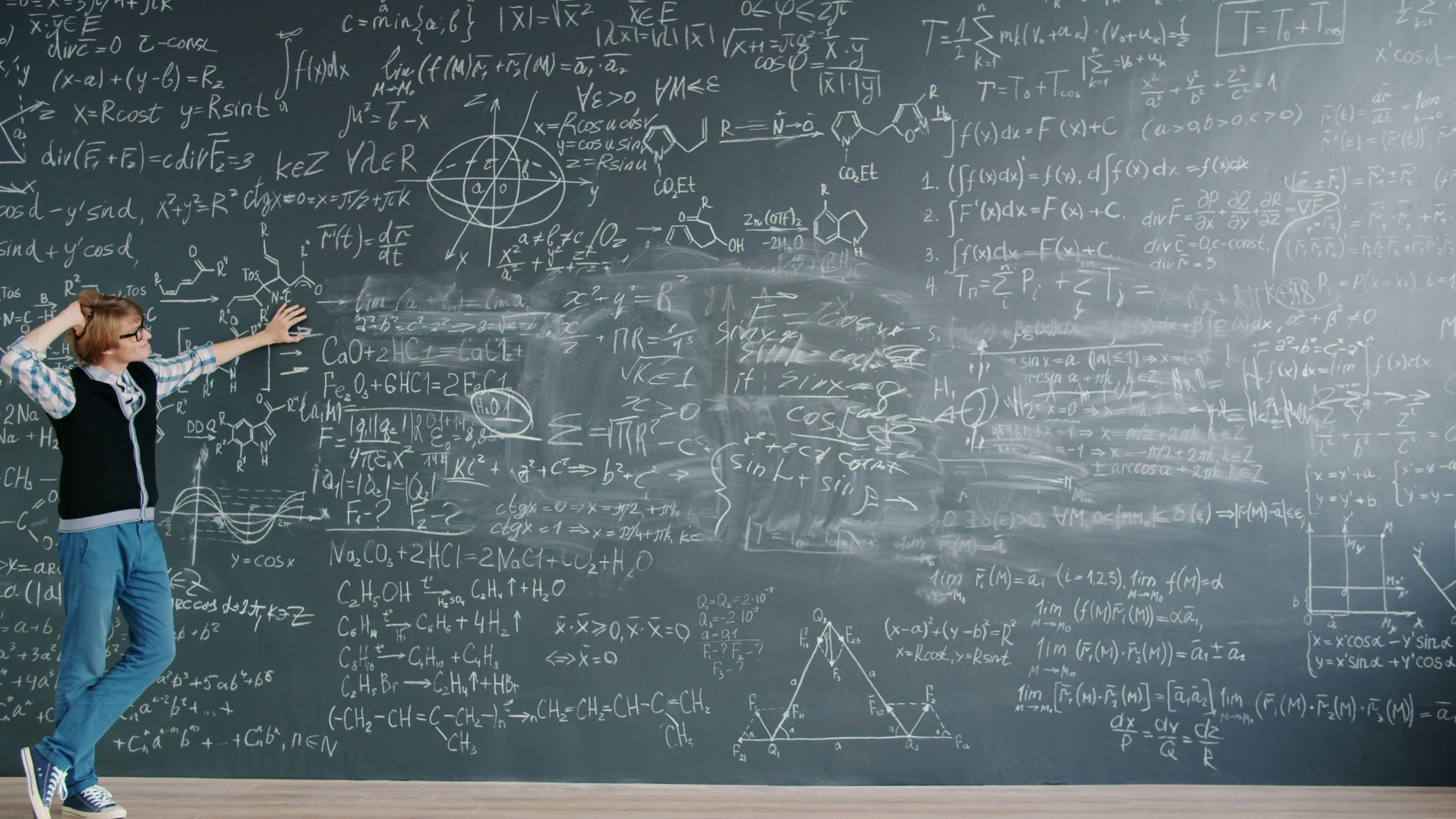
We start with a holistic assessment - business model, processes, organization, technology, and data - to understand current strengths, challenges, and opportunities. This creates a shared fact base and sets the stage for strategic alignment.
Part of the situation analysis is also a best practice-comparison with what is currently possible and meaningful, ensuring that the right questions are asked and gaps are identified both from an internal and external best-in-class perspective.
Vision Development

Together with key stakeholders, we define the future ambition: what the organization should achieve and how it should operate. This becomes the agreed target that guides all design and transformation work.
Such a vision can either be incremental or revolutionary, depending on the opportunities our integrated approach identifies.
2
Process Design
3
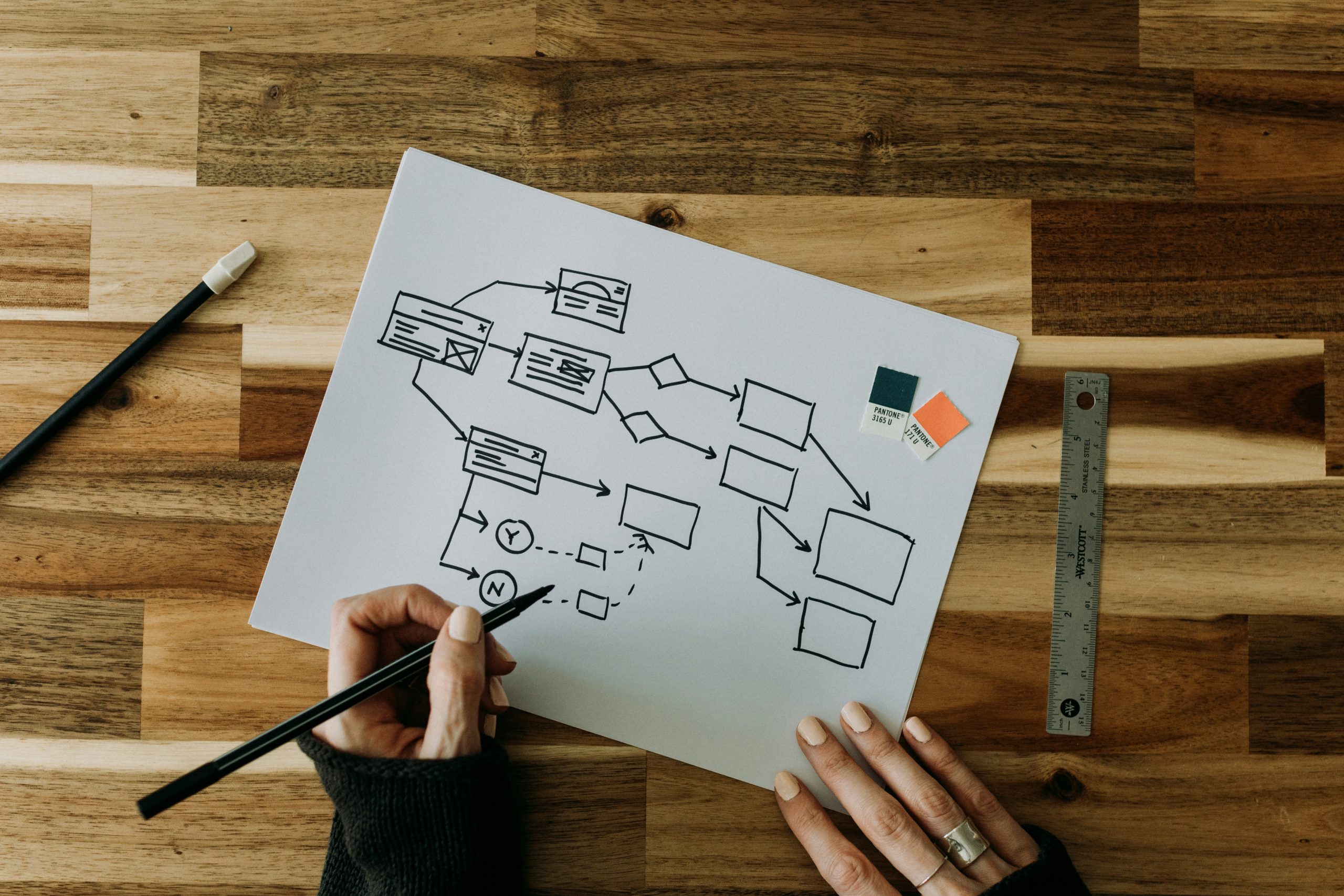
We reimagine core and support processes for future performance, embedding automation, data flows, and value creation from the outset. What IT can do is part of defining how the business operates.
This may also lead to completely new processes that were previously unthinkable without IT at the core, including new business opportunities that rely on digital delivery.
IT Requirements Design
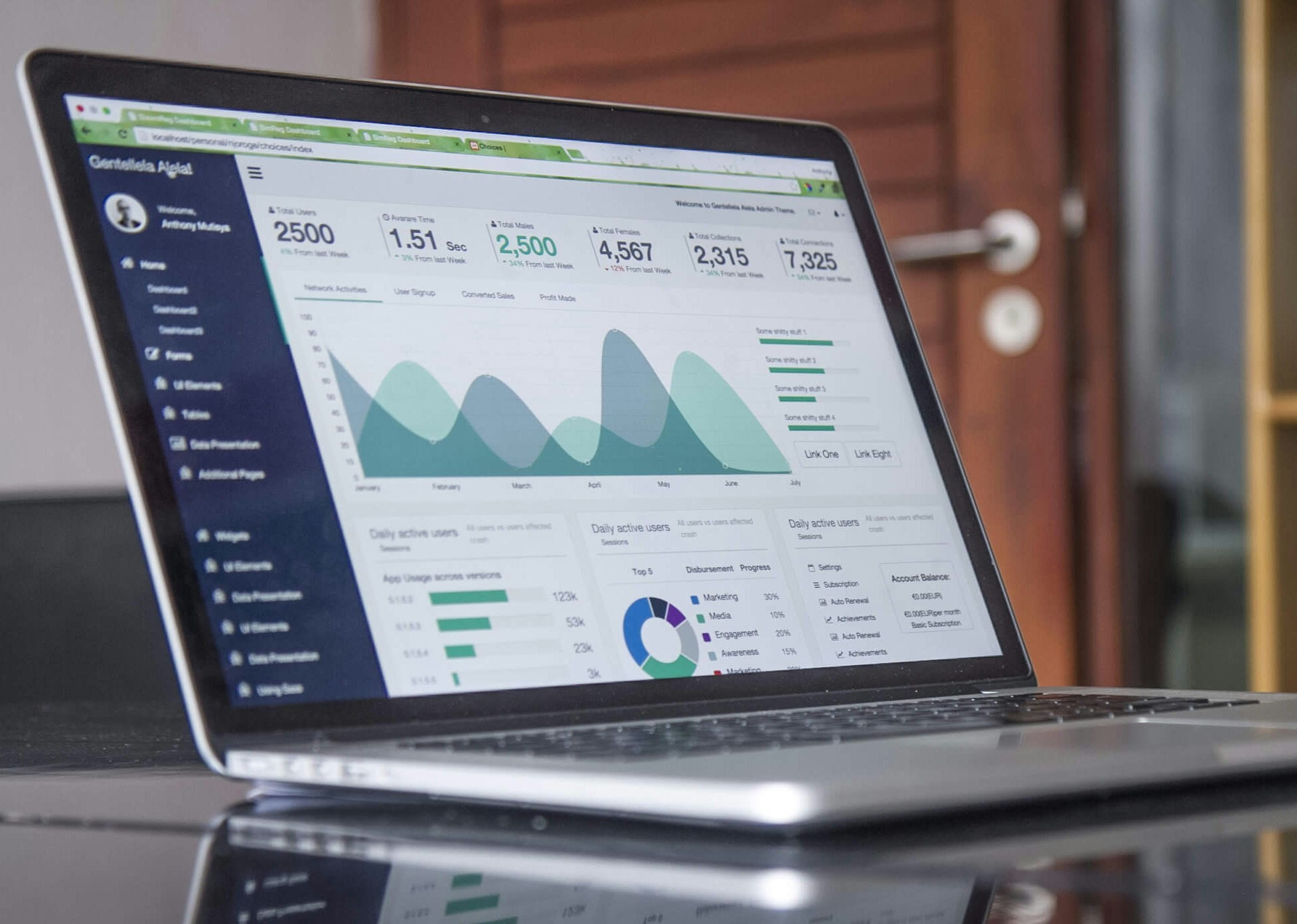
From the designed processes, we derive functional and non-functional requirements for technology - ensuring the IT landscape supports not only today’s needs but also ensures future adaptability.
At the core of this task is usability, making sure that new solutions naturally fit the best possible way of working from a user perspective, reducing unnecessary workload and stress.
4
System and Data Architecture
5
We translate requirements into a coherent architecture - defining how systems, applications, and data models interact. This ensures scalability, interoperability, and long-term cost efficiency.
An important aspect is that metrics and KPIs are built into the system, providing the necessary information to both evaluate the success of the transformation and enable a better management of future work.
Transformation Planning

We turn the vision into a pragmatic roadmap - prioritizing initiatives, defining milestones, resources, and change levers. This plan connects strategic intent with executable action.
At the core of each implementation plan are early wins that create the psychological momentum for the more complex transformations to happen.
6
Change Implementation
7
We guide the transformation from planning to reality - supporting communication, capability building, agile delivery, and stakeholder alignment to make change sustainable.
We support internal change agents or take the role of change enablers ourselves, depending on the need, and we accompany our clients until the transformation is complete.

Let's redefine how your transformation happens!
With 9senses, transformation isn’t a sequence - it’s a co-design journey between strategy, process, and technology. Together, we can build the foundation for an adaptive, data-driven, and high-performing organization.